- developer marketing newslepear
- Posts
- 🍐#135: Kilo Code billboard campaign, and a new developer-led newsletter
🍐#135: Kilo Code billboard campaign, and a new developer-led newsletter
Pijamas

Jakub Czakon
November 23, 2025
Hey,
I am writing this sitting in pijamas. My first pijamas since I was small enough to believe in Santa. And your favorite pear 🍐 is almost forty now. Don’t know what it says about me, but I can tell you how it makes me feel -> Warm and cozy 😉.
This week on the agenda:
Kilo Code billboard campaign
(New) Developer-led newsletter
+ a few bonus links at the end
Total pearusing time: 5min
Before we start a word from this week’s sponsor:

Reaching developers and tech people through ads is tough. They ignore LinkedIn, skip past Google ads, and tune out most marketing.
TLDR works because 6 million tech professionals actually WANT to read it (including me) - they subscribed on purpose. You can sponsor their specialized newsletters (Tech, Dev, AI, DevOps, InfoSec, etc.) to get in front of exactly who you need.
They handle the copywriting, only allow 3 sponsors per newsletter, and companies like Delve have made $1M in pipeline from it.
Developer marketing insights
1. Developer-led newsletter
Figured I had to share this new newsletter by a fellow Pole Konrad Sopala (ex dev community manager at Auth0 by Okta, GitHub, Oxla, AngelHack) on dev marketing and building dev communities.
A bunch of posts out there already but today I want to share two.
The first article is this hit on building dev communities.
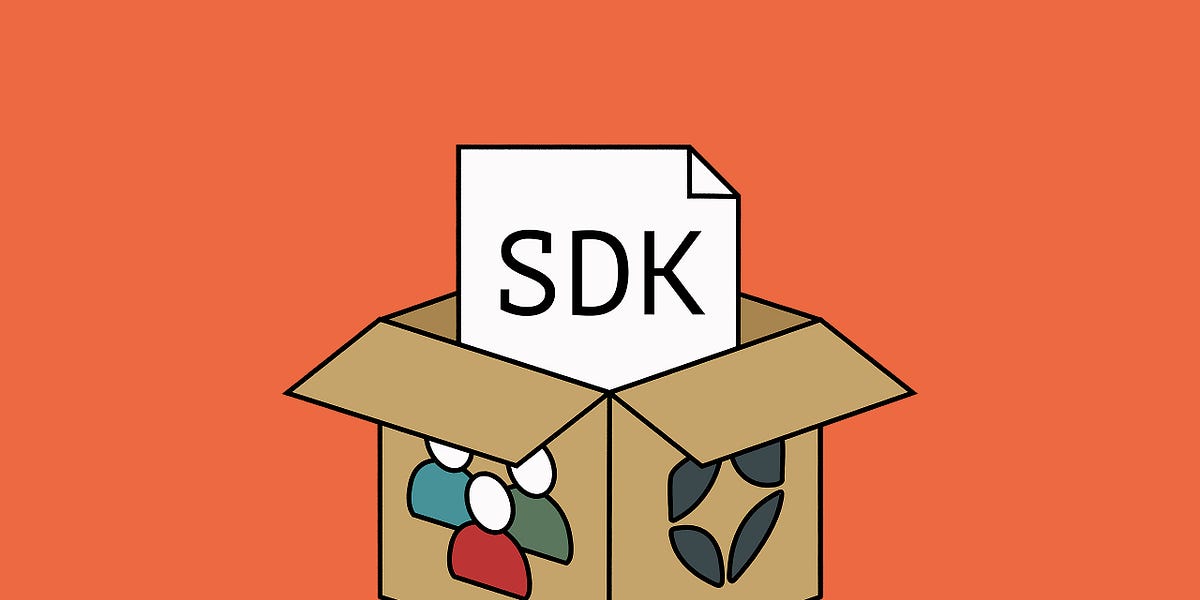
Lots of great real-life examples from Auth0 (I mean lots). And I like how this article is a bunch of thoughts/learnings/bits that come together but you can learn from each.
Konrad talks about:
When things are working, it is a system working together not one thing. “When you start thinking that one thing must be enough, that’s often a clue something is off.”
Information architecture and navigation -> you may remember me sharing Auth0 navbar as a great example that plays into it.
Developer-facing social media comms (loved this part)
Living in the OSS ecosystem (as a paid SaaS product)
Activating community and building champions: lots of tips/examples here
Product feedback loops: when you skip that overtime your product becomes detached from reality on the ground built by smart people 10 floors above. This is underappreciated and very dangerous btw (happens a lot).
+ tips on content creation and keeping it fresh, product launches, dev support and more.
Really good guide that opens the door to talk about each more. Which from the looks of it Konrad will in separate, even deeper pieces.
The second article I wanted to share is this gem, where Konrad goes superdeep into the new PostHog website:
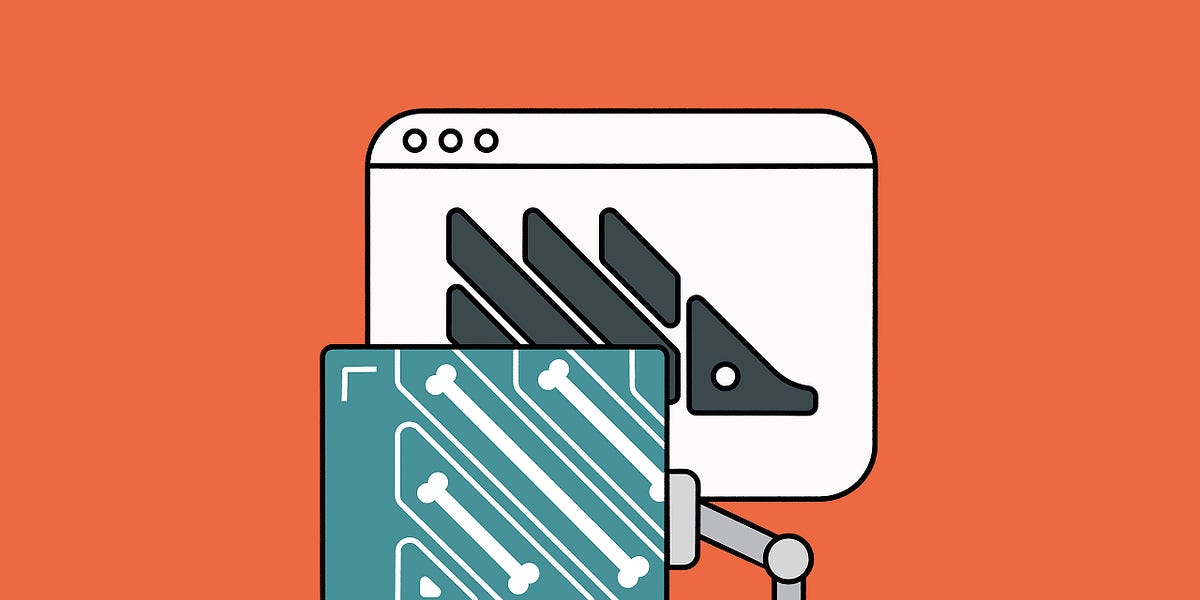
Was thinking of summarizing this but it is just a fun story of what must have been a good few hours spent playing on that site.
2. Kilo Code billboard campaign
I am a big fan of Maya Spivak and her various brand campaigns. You may remember me sharing her classic “What good is bad data?” from Segment.
This time she ran a very cool billboard campaign for Kilo Code.

What I like about it is:
Anchoring on a meme: This always has a good chance of hitting the right cord with devs.
Referencing competitor: every dev knows the landscape, at least sort of. And when you have a hotter than hell startup like Cursor you can be sure that people know about it. Anchoring on it and adding your differentiation is a great approach. Especially when your prospects/customers come to you asking about “how are you different than X”.
One messaging point: hammering on just one key value / differentiation, in this case pricing is the way to go. Billboards don’t have room for many messages. But you also want to drive something for people to rememeber. Always ask yourself if devs remember one thing from this ad/website/article what do you want them to remember. For Kilo Code it is that Cursor pricing model is confusing (and implicitly that theirs is not.
One note is that with memes used in commercial context there is always some legal risk. Those copyrights are fuzzy even when you change the style. Especially when you change it to a recognizable style ;).
But I think this campaign is done really nicely with drawing it by artists (not AI), which makes it completely fine in my book. Perhaps now with the latest release of Nano Banana adjusting memes (conceptual anchors) to new style will actually work. Let’s see.
Also, this is the Reddit thread that Maya mentioned:

Two thoughts on that discussion:
This billboard caught people’s attention -> always a good sign. The biggest risk of marketing is not being seen at all.
Most people don’t understand what it is about -> assuming that your crowd got it this is also good in my book. You make it specific, hit the cord with one group you usually (almost always) lose the rest of the audience. The alternative is hitting it with everyone and delivering a vague fluff imho.
Need more developer marketing insights?
1. Work with me 🍐
"You helped us land messaging that clearly states the problem and solution in the words our champions actually use. The homepage is super crisp now."
If you want my help I do Workshops (60-minute session on whatever you want), Teardowns (audit+suggestions for your homepage, messaging, ads etc), and longer-term Advising.
2. Bonus links to check out
3. Join our Slack community
"Been here 20 min and already folks are sharing great advice."
2400+ dev tool CMOs, heads of growth, product marketers, and other practitioners talking shop.
Reply